Feature: Single Track
7 modules with this feature
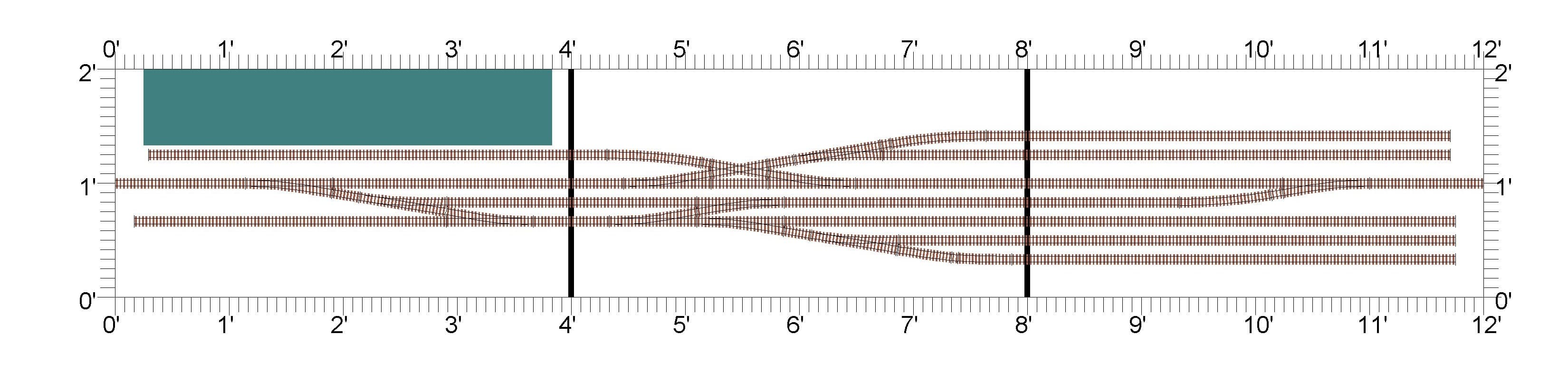
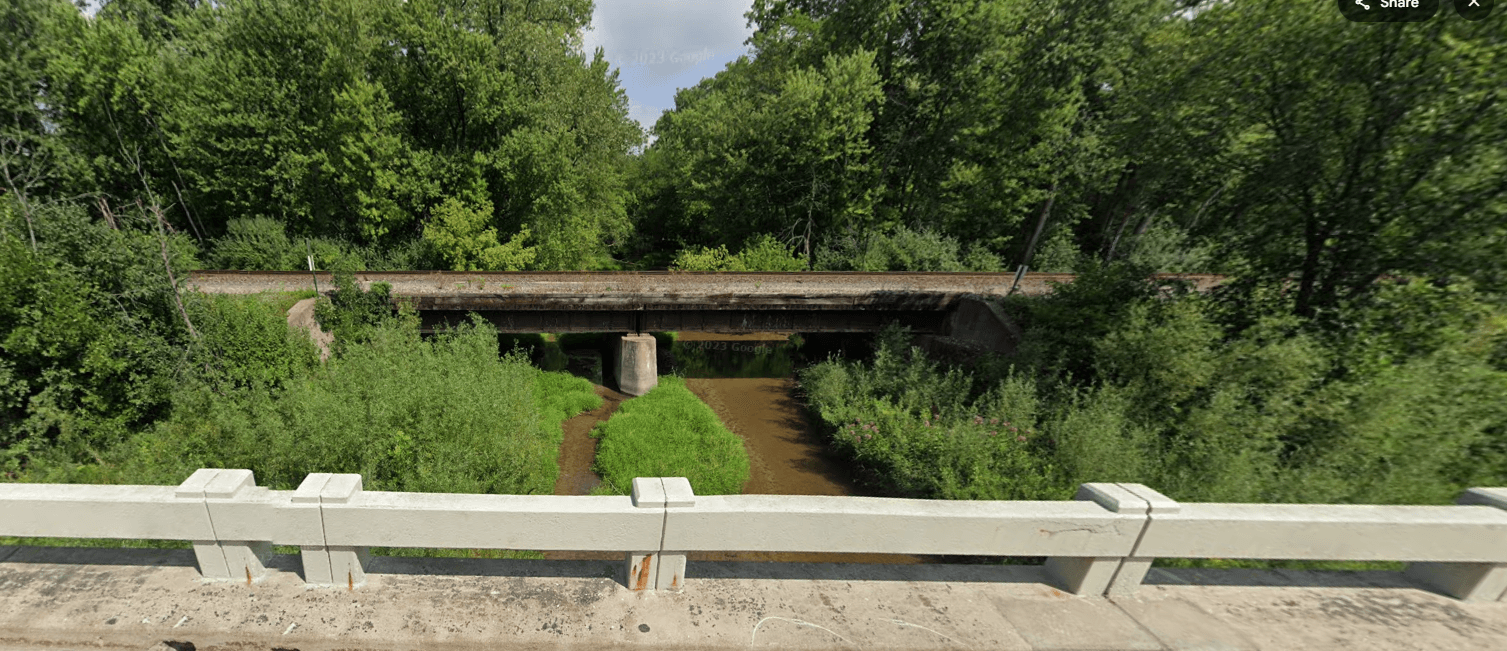
The Cedar Creek module highlights a distinctive piece of Milwaukee Road history near Winona, Minnesota. Once a double‑track bridge, the structure now carries only a single track across the creek, a reminder of the railroad’s evolving operations in the Driftless Region. Modeled to Free‑mo standards, the bridge scene captures the heavy steelwork of the girders, weathered from decades of service, and the natural setting of Cedar Creek below. The module balances historical accuracy with scenic detail, showing how railroads adapted infrastructure over time while still maintaining vital connections across waterways.
From an operational perspective, the single‑track conversion adds character and realism to the layout. Trains must negotiate the narrowed crossing, creating opportunities for dispatching challenges and authentic traffic flow during exhibitions. The Cedar Creek bridge module becomes a focal point for operators and spectators alike, illustrating both the engineering heritage of the Milwaukee Road and the living history of railroading in southeastern Minnesota. By blending technical precision with regional storytelling, it stands as a tribute to the resilience of local rail lines and the artistry of Free‑mo modeling.
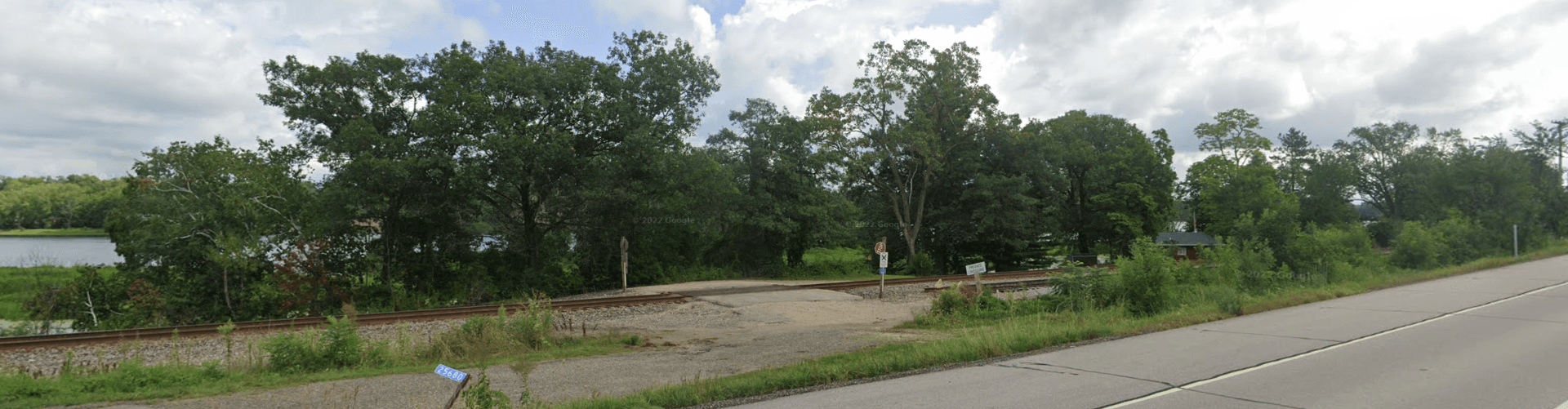
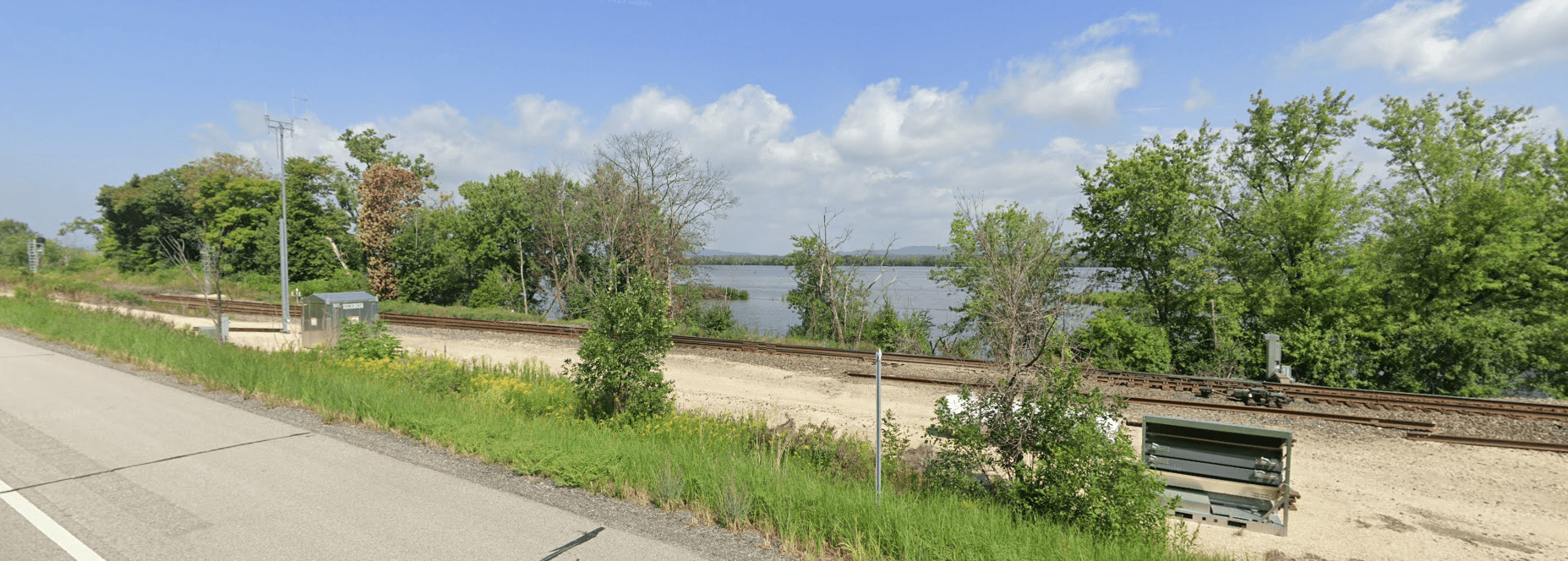
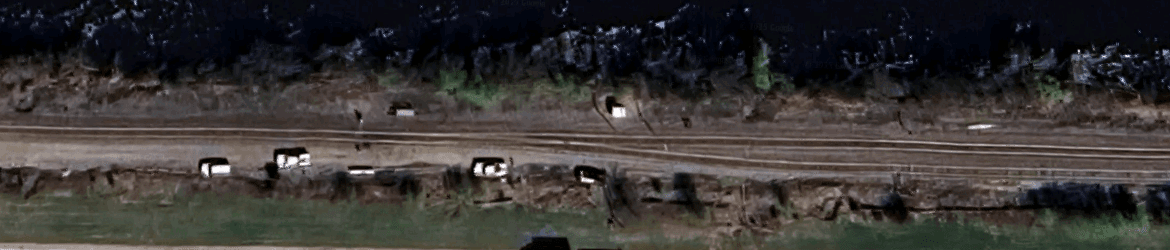
The railroad spur at Donehower, Minnesota is a modest but important feature along the line south of Winona. Originally built to serve local agricultural and industrial needs, the spur today functions primarily as a siding and storage track. Its location near the junction of rural roads and the mainline makes it a practical spot for staging equipment without disrupting through traffic. The spur’s quiet setting in the Driftless landscape also provides a convenient place for crews to work away from busier terminals.
In modern operations, the Donehower spur is most often associated with maintenance‑of‑way (MOW) equipment. Ballast regulators, tie inserters, and track geometry cars are frequently parked here between assignments. Because MOW work is seasonal and often requires staging equipment close to upcoming projects, the spur serves as a flexible base of operations. Its length and accessibility allow multiple pieces of machinery to be stored together, ready to be dispatched when track work is scheduled along the corridor.
For railfans and local residents, spotting MOW equipment at Donehower has become a familiar sight. The spur reflects the ongoing upkeep required to keep regional rail lines safe and efficient, even in areas where freight traffic is relatively light. By hosting these specialized machines, Donehower plays a small but vital role in the broader network of railroad maintenance, linking the heritage of local rail service with the practical needs of modern infrastructure.