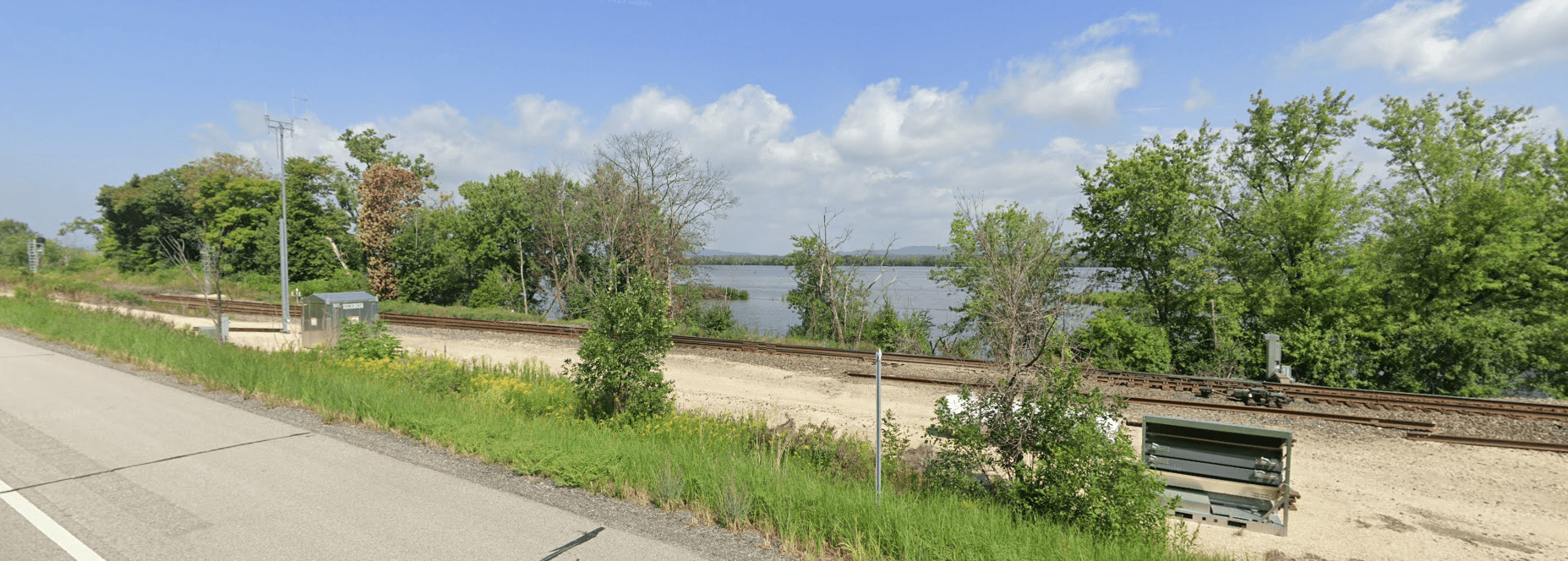
Feature: Straight
4 modules with this feature
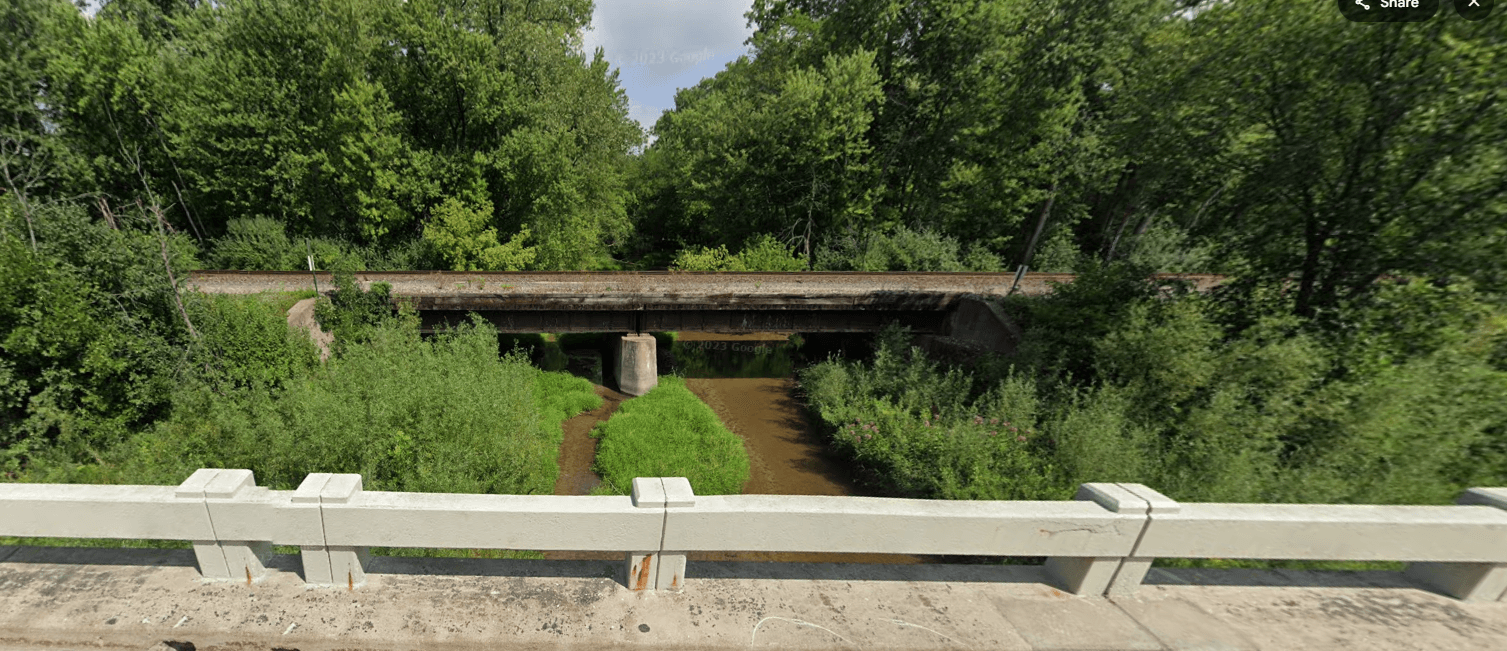
The Cedar Creek module highlights a distinctive piece of Milwaukee Road history near Winona, Minnesota. Once a double‑track bridge, the structure now carries only a single track across the creek, a reminder of the railroad’s evolving operations in the Driftless Region. Modeled to Free‑mo standards, the bridge scene captures the heavy steelwork of the girders, weathered from decades of service, and the natural setting of Cedar Creek below. The module balances historical accuracy with scenic detail, showing how railroads adapted infrastructure over time while still maintaining vital connections across waterways.
From an operational perspective, the single‑track conversion adds character and realism to the layout. Trains must negotiate the narrowed crossing, creating opportunities for dispatching challenges and authentic traffic flow during exhibitions. The Cedar Creek bridge module becomes a focal point for operators and spectators alike, illustrating both the engineering heritage of the Milwaukee Road and the living history of railroading in southeastern Minnesota. By blending technical precision with regional storytelling, it stands as a tribute to the resilience of local rail lines and the artistry of Free‑mo modeling.
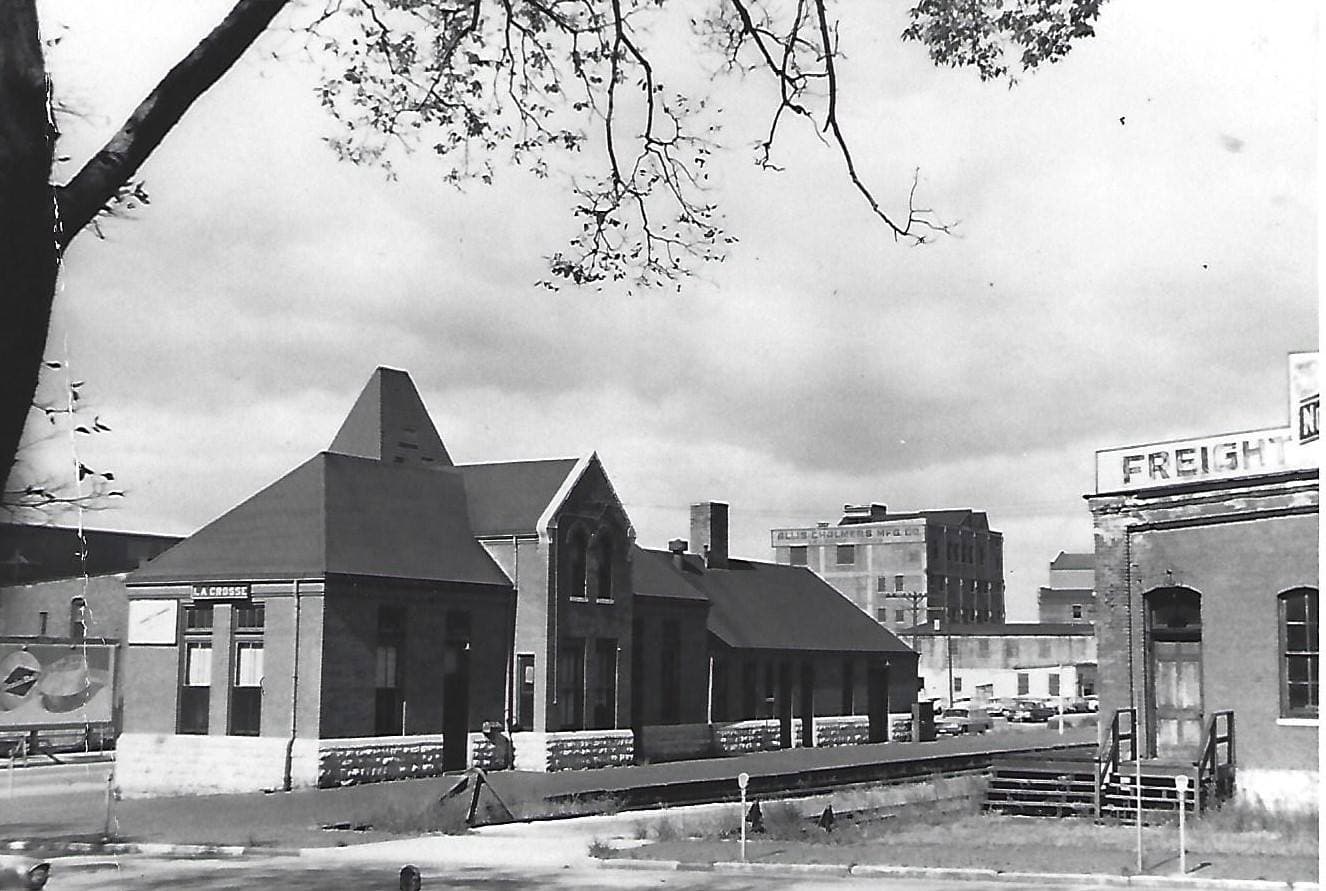
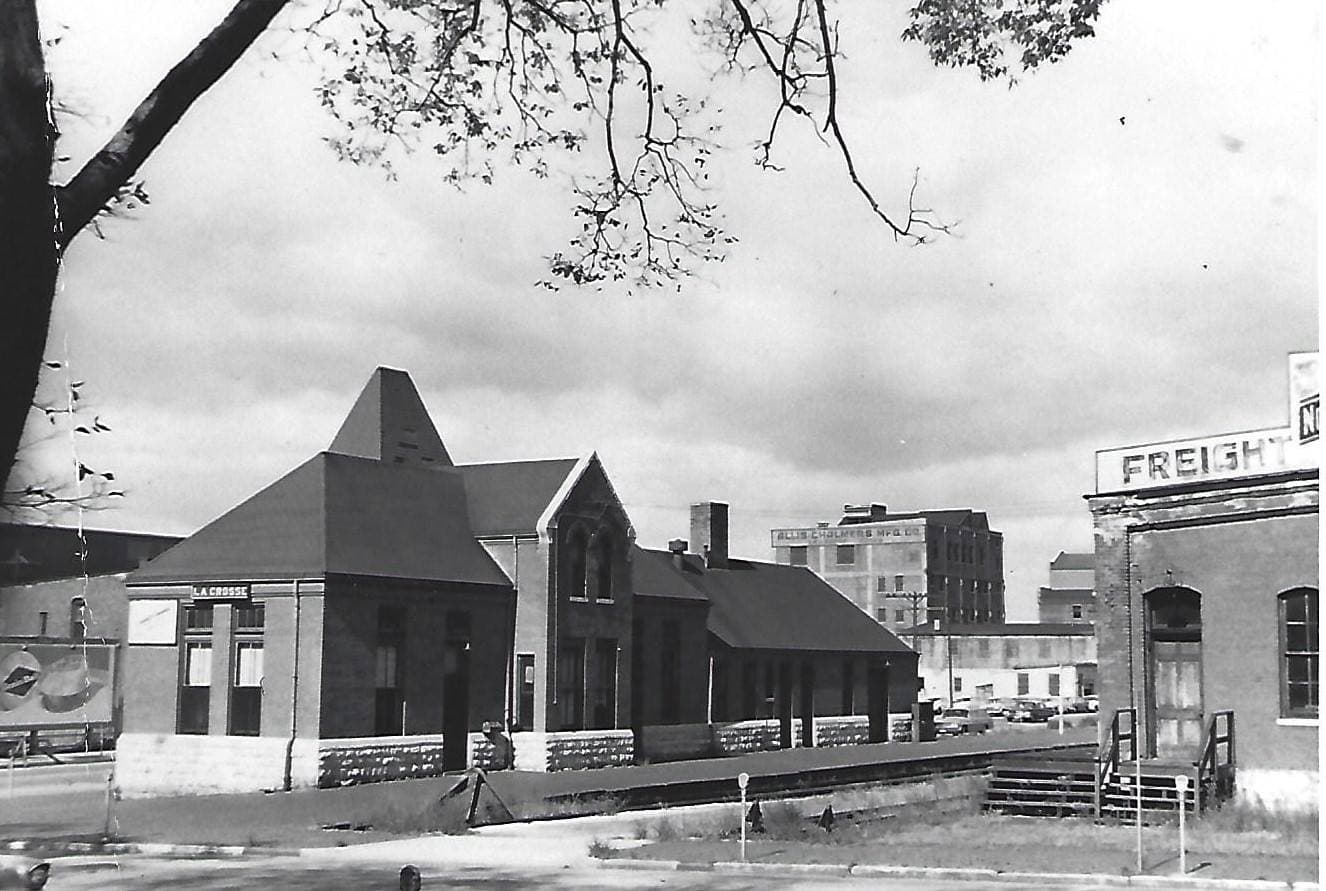
The Chicago & North Western’s La Crosse yard was a modest but strategically important facility, serving as a link between regional commerce and the Mississippi River corridor. It was not as large or dominant as the Milwaukee Road’s presence in La Crosse, but the yard played a crucial role in handling freight and interchange traffic during the late 19th and early 20th centuries.
The yard was situated near the riverfront and connected to the broader C&NW system through Grand Crossing, which tied into lines heading east toward Milwaukee and Chicago. Its tracks were primarily used for freight car classification, storage, and interchange with other carriers, including the Milwaukee Road and Burlington lines that also operated in the city. The facility allowed C&NW to move lumber, grain, and manufactured goods from western Wisconsin and southeastern Minnesota into its network. While not sprawling, the yard was a vital node in the company’s regional operations, reflecting La Crosse’s role as a transportation hub.
By the mid-20th century, the yard’s importance began to decline as rail traffic consolidated and trucking gained ground. The Milwaukee Road’s dominance in La Crosse overshadowed the C&NW’s smaller footprint, and eventually the yard was reduced in use and later abandoned. Today, nothing remains of the original infrastructure, but its historical presence underscores how multiple railroads competed for space and influence in La Crosse, shaping the city’s industrial and commercial growth. The C&NW yard stands as a reminder of the layered railroad history that once defined the Driftless Region’s connection to national markets.